
Grow lights from November to March
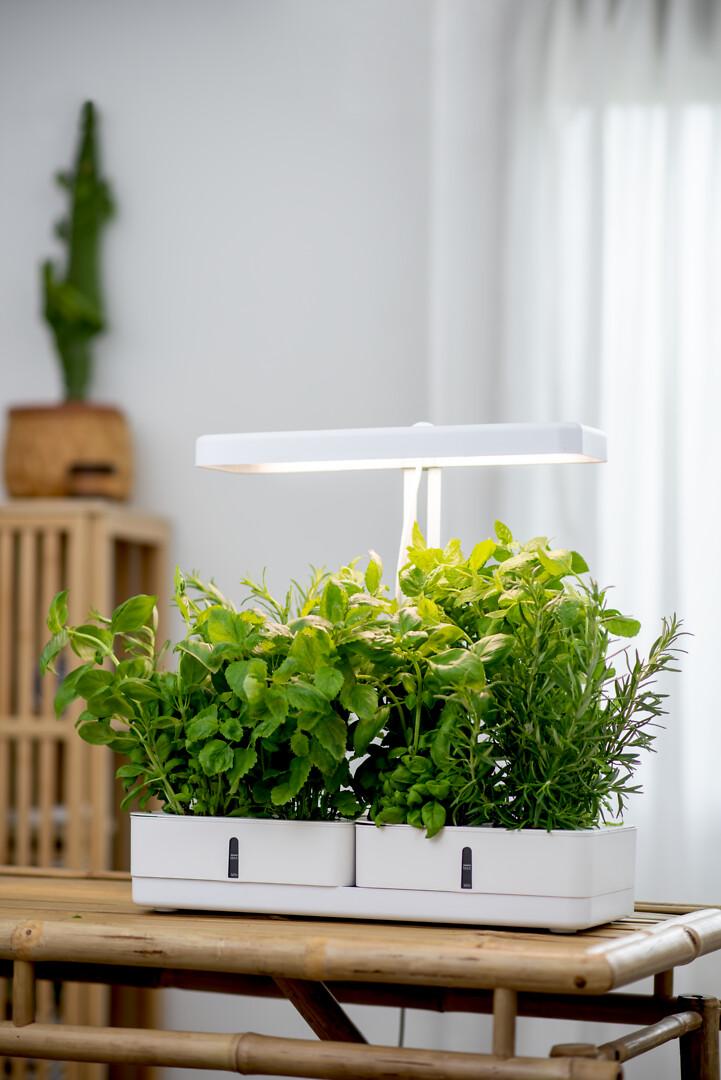
If plants do not receive enough light, their leaves turn yellow and growth slows down. With the help of grow lights, houseplants can survive the dark winter months. Grow lights can also be used for seed starting. Pick up tips on choosing a grow light and explore Airam’s grow lamps and luminaires.
Without light, plants die – provide safe LED light for leaves
Plants need light for photosynthesis. If plants do not receive enough light, they are unable to produce glucose, which causes leaves to yellow and growth to slow. Weak plants are more susceptible to pests and diseases. Prolonged lack of light can ultimately be fatal for plants.
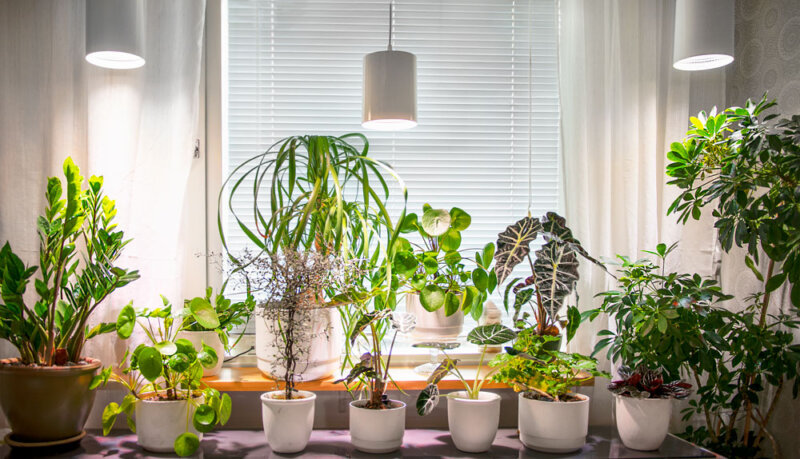
On the windowsill of plant enthusiast Tuula Salovaara, a fine row of green plants is on display. Olive tree, ZZ plant, ponytail palm and many other beautiful plants stretch their lush leaves towards the window. Above the plants hang three elegant Airam Fiora grow lights. The pendant luminaires not only pamper the home gardener’s treasures, but also create a soft, daylight-like atmosphere in the room.
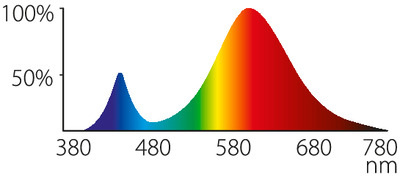
Fiora is a very practical grow light, as it comes with a suitable light source – an 800-lumen grow lamp – included in the package. Thanks to the long cord and EU plug, the stylish luminaire is easy to install on the ceiling, and its high-gloss reflector distributes the light evenly to the plants,” Tuula praises. To the human eye, the light of the Fiora grow light appears white, even though its 3500 Kelvin wavelength provides plants with slightly reddish light.
Plants need different light in different situations
During the darkest time of the year, plants should be moved to east- or south-facing windows to maximise their exposure to sunlight. In addition to natural light, plants benefit from almost any kind of supplementary lighting, but they especially need blue-violet, blue and red wavelengths.
Plants require different light depending on the situation. As a general rule, seedlings need cooler, blue light, while flowering plants benefit from red light. A suitable lumen value for houseplants is typically 400–800 lumens. Even a 180-lumen grow light may be sufficient for some small, dark-leaved plants.
Did you know that…
- grow lights support photosynthesis.
- some grow lights may appear slightly reddish, as this promotes plant growth. Check the light colour on the product packaging.
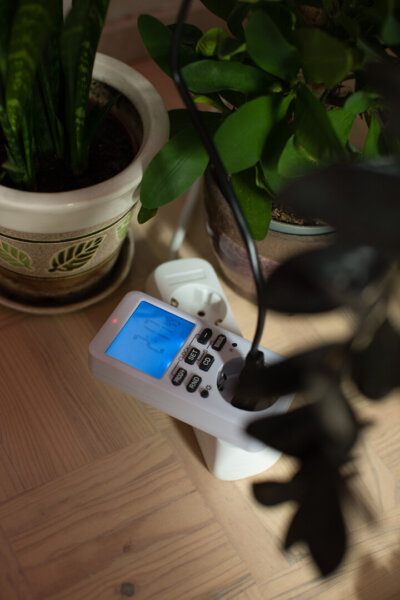
- the ideal time for supplementary lighting is from October to March, around 12 hours per day. Use an easy-to-use digital timer.
- LED grow lights and lamps do not heat up plant leaves.
- efficient LED lamps and luminaires consume very little energy.
- in spring, supplementary lighting for houseplants can be reduced, but it remains useful for seed starting.
LED grow lamps are energy efficient
Before LED lamps, plants were lit with incandescent or energy-saving lamps. Incandescent lamps consumed a lot of energy and could even be dangerous, as they could burn plant leaves. Modern LED grow lamps and luminaires are energy efficient and do not heat up, making them safe to place close to houseplants.
The recommended distance between the plant and the grow light is about half a metre, but Tuula’s most light-loving plants can enjoy the glow of the grow light at a distance as close as a handspan.
“For example, yucca palms, cacti and succulents are true sun lovers. Plants that prefer shade, such as ZZ plants and African violets, manage well in lower light levels. In general, dark-leaved plants cope with less light than variegated ones,” Tuula explains.
A grow light can even be created from an old floor lamp
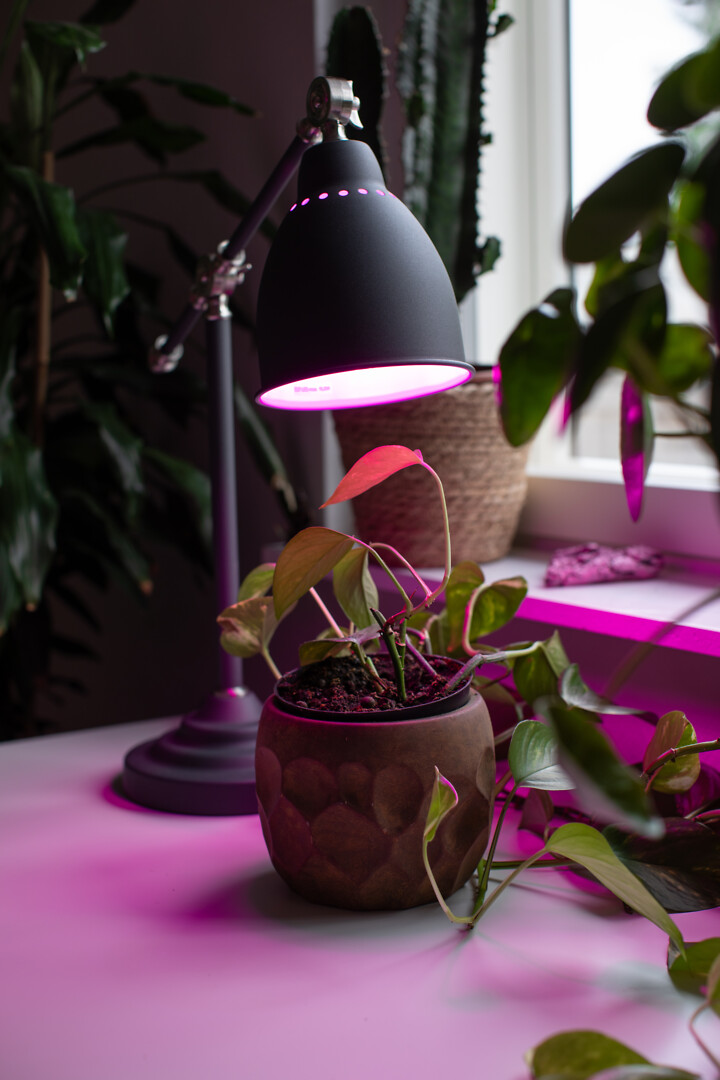
Almost any luminaire can be used as a grow light. However, it is recommended to choose a model with a closed shade, so the light beam is directed exactly where it is most needed. Remember to check that the grow lamp’s base type and bulb shape are compatible with the chosen luminaire.