Colour temperature and CRI – how light affects your home
Light has a huge impact on how a home looks and feels. The very same room can feel warm and cosy or fresh and energising depending entirely on the type of light used. That is why good lighting is not only about brightness – the tone and quality of the light matter just as much.
Two important lighting concepts are:
- colour temperature (Kelvin, K)
- colour rendering, known as the CRI value
These affect:
- how a space looks
- how colours appear
- how comfortable the lighting feels
- how light supports wellbeing and the body’s natural rhythm
What does colour temperature mean?
Colour temperature describes the tone of the light. It is measured in Kelvin (K). The lower the Kelvin value, the warmer the light appears. The higher the value, the cooler and crisper the light feels.
Kelvin values therefore describe the appearance of light rather than its brightness.
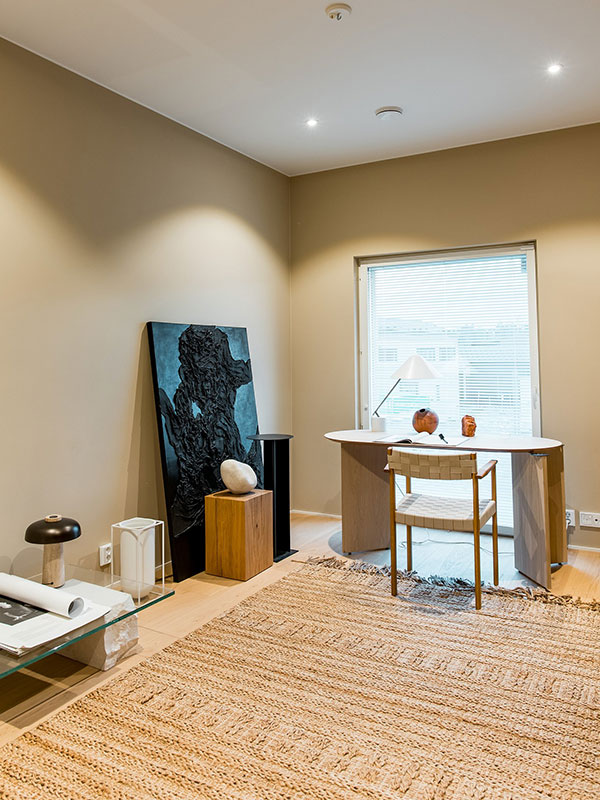
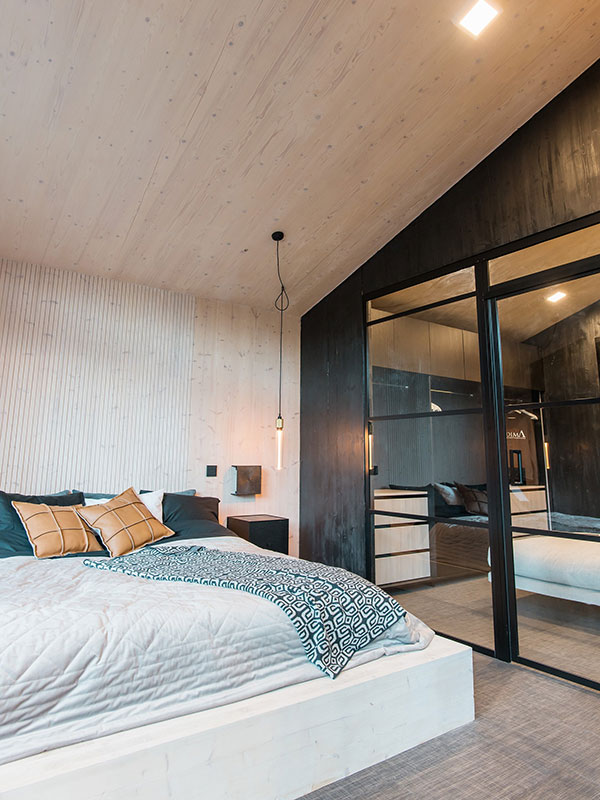
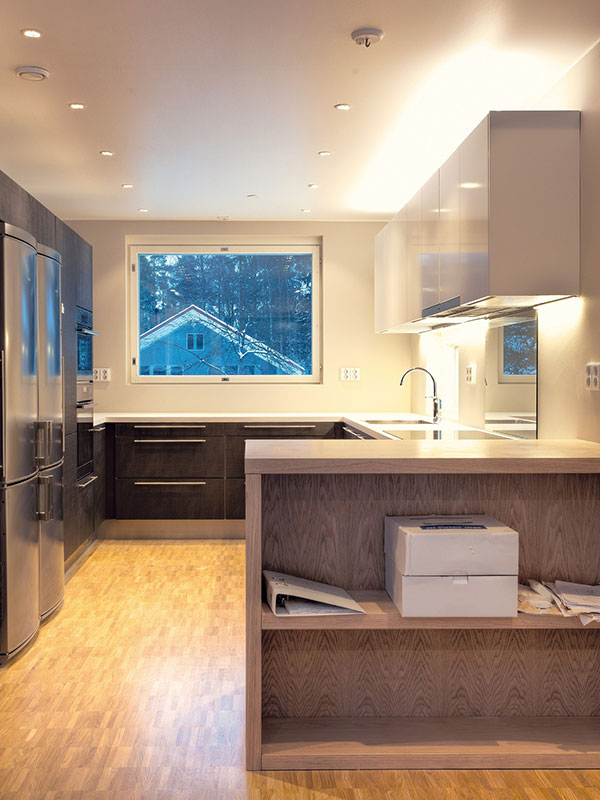
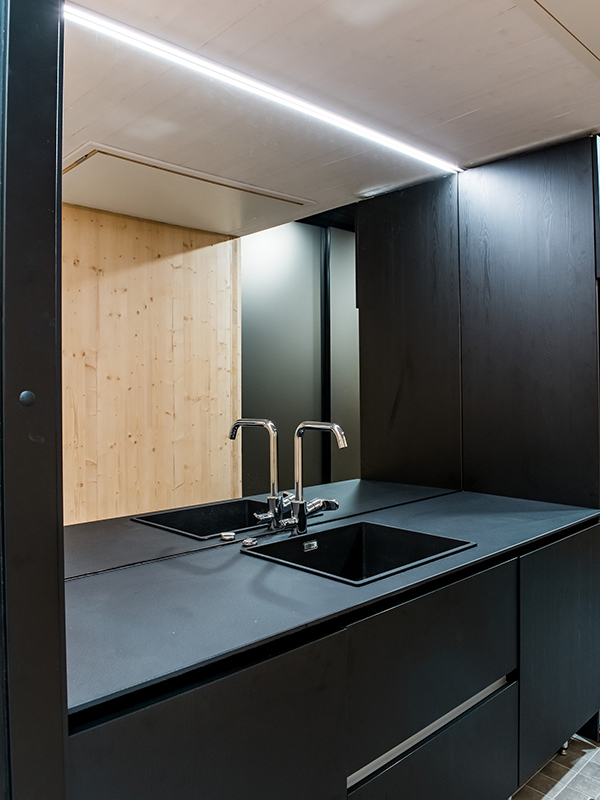
How do you choose the right light?
Light strongly affects how materials and colours appear. In most cases there is no single correct choice – it depends on the room, its purpose and the atmosphere you want to create. Because lighting is also a personal experience, individual preferences naturally play a role.
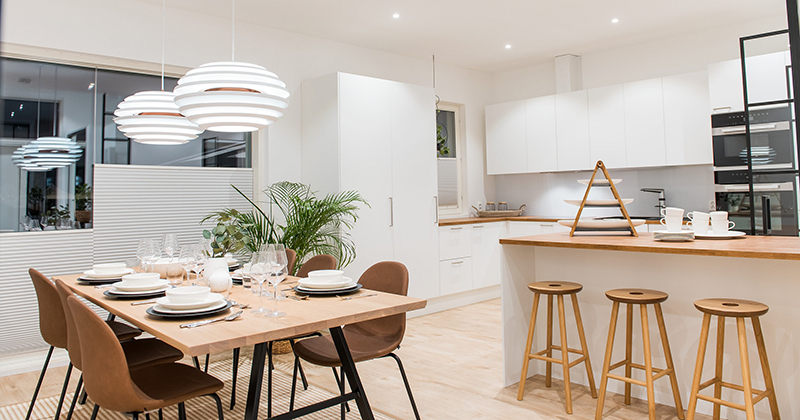
In living rooms and bedrooms, warm light (around 2700 K) creates a soft and relaxing atmosphere. In kitchens and workspaces, slightly brighter light (3000–4000 K) supports tasks that require accuracy and focus.
As warm light helps people relax and cooler light improves alertness, it is often worth planning adjustable lighting or separate light sources for different activities and moods.
Modern interiors generally work well with cooler light and more focused beams, while traditional interiors and wooden surfaces often look best under warmer light.
In most homes, the best result comes from using different colour temperatures in different spaces according to their function rather than relying on one identical light tone throughout the entire home.
Interestingly, light affects not only atmosphere but also how colours appear. Food, for example, can look delicious or dull depending entirely on the lighting.
Avoid common mistakes
One common mistake is mixing several different colour temperatures in the same space without careful planning. The result can easily feel restless and unbalanced.
A good rule of thumb is to:
- use the same colour temperature for lights that are switched on at the same time
- control different light tones separately if multiple tones are used
This keeps the lighting balanced and pleasant.
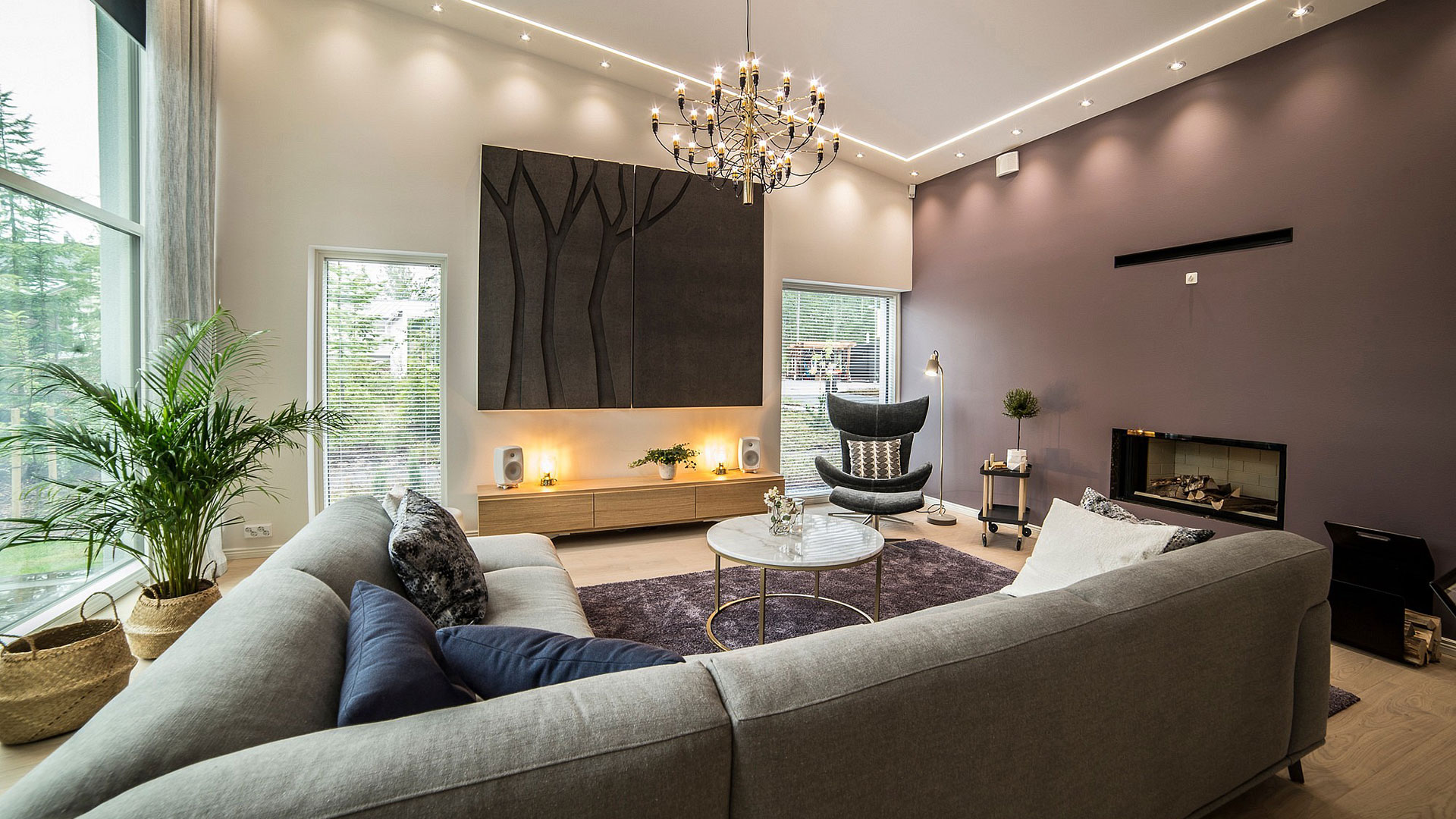
Use multiple light sources in the space so you can adjust the lighting flexibly according to different situations and needs!
What does the CRI value mean?
Colour rendering is measured using the CRI (Colour Rendering Index). It indicates how naturally colours appear under the light.
In other words: do colours look the same as they would in daylight, or do they appear distorted?
CRI is measured on a scale from 0 to 100. The higher the value, the more natural colours appear. A CRI of 80 or higher is generally considered good for home use.
Good colour rendering is especially important in areas where colour accuracy matters:
- in front of mirrors (make-up and skin tones)
- when choosing clothes
- in kitchens during food preparation
Poor colour rendering can make colours appear dull or distorted, affecting the overall atmosphere of the space.
For general home lighting, a CRI value around 80 provides a good standard level. In dressing areas and at make-up tables, a CRI above 90 is recommended.
Good lighting feels natural
At its best, lighting is barely noticed at all – the space simply feels comfortable and looks right.
Even small lighting choices can have a surprisingly large impact on how a home feels. In a well-lit home, the overall atmosphere feels harmonious, colours appear beautifully natural and lighting supports everyday wellbeing.
With smart lighting, adjusting light levels and tones is easier than ever. Lighting can follow your natural daily rhythm and adapt effortlessly to different situations throughout the day.