What does a luminaire’s IP rating mean?
When choosing a luminaire, attention is often focused on appearance and light output. However, when selecting a luminaire for anything other than dry indoor spaces, the most important thing is to check its IP rating. A luminaire’s IP rating indicates how well it withstands dust, moisture and water. It is one of the most important features, especially in bathrooms, saunas, outdoor areas, storage rooms and other demanding environments.
How do you read an IP rating?
IP stands for International Protection (or Ingress Protection). The marking consists of the letters IP followed by two digits.
The first digit indicates protection against dust and solid objects, while the second indicates resistance to water and moisture.
For example, IP44 means the luminaire is protected against splashing water. IP65 means the luminaire is dust-tight and protected against water jets.
Examples of common IP ratings:
- IP20 – Standard indoor luminaire. The product is protected against medium-sized solid objects. No additional protection is provided.
- IP44 – Splash-proof luminaire suitable for outdoor use. The product is not fully waterproof.
- IP54/55 – Luminaire for damp environments, protected against dust and water jets.
- IP66 – Dust-tight luminaire protected against powerful water jets and splashing water. Can be cleaned with a pressure hose.
- IP67 – Dust-tight and waterproof product. Offers the same protection against solid ingress as IP66, but is also waterproof for up to 30 minutes at a depth of 1 metre.
- IP68 – Suitable for continuous immersion in water.
Where does the IP rating matter?
Not all areas of the home require the same level of protection.
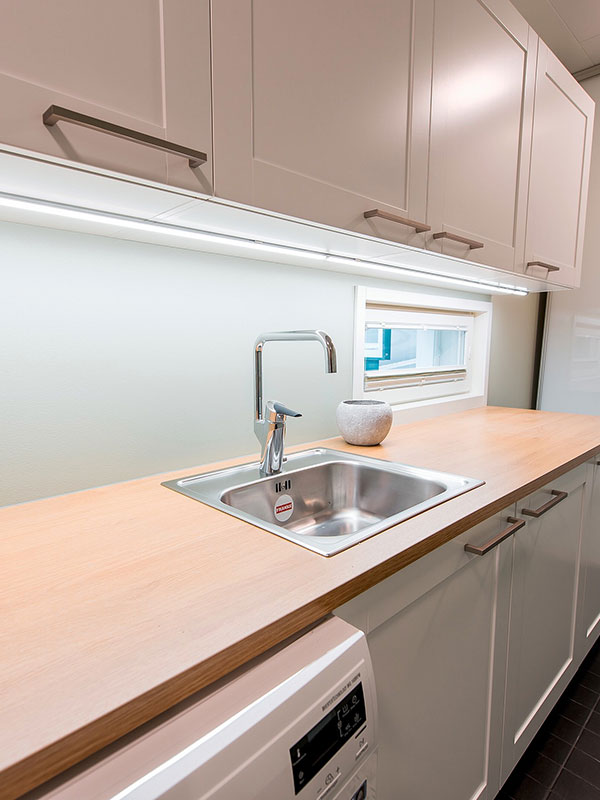
In dry indoor spaces, a basic level of protection is usually sufficient. In bathrooms and outdoor spaces, however, requirements increase significantly. Water, moisture and changing temperatures create special challenges for lighting.
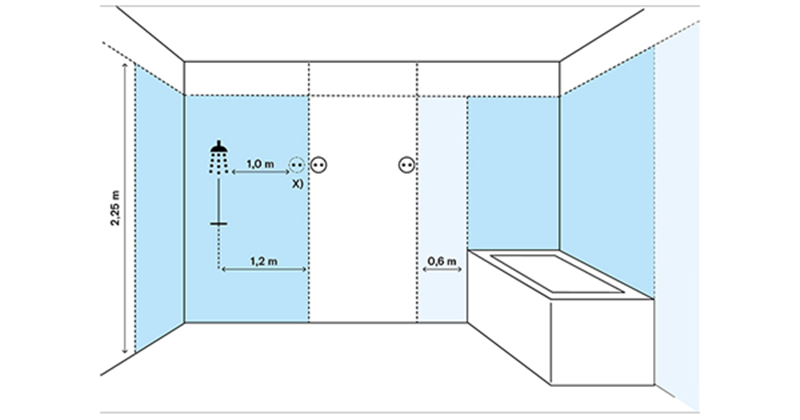
In bathrooms, strict regulations define where luminaires can be installed. The closer the luminaire is to water, the greater the protection required. Splash resistance is often the minimum requirement, and the luminaire’s location directly determines which IP rating is suitable.
Saunas require special consideration
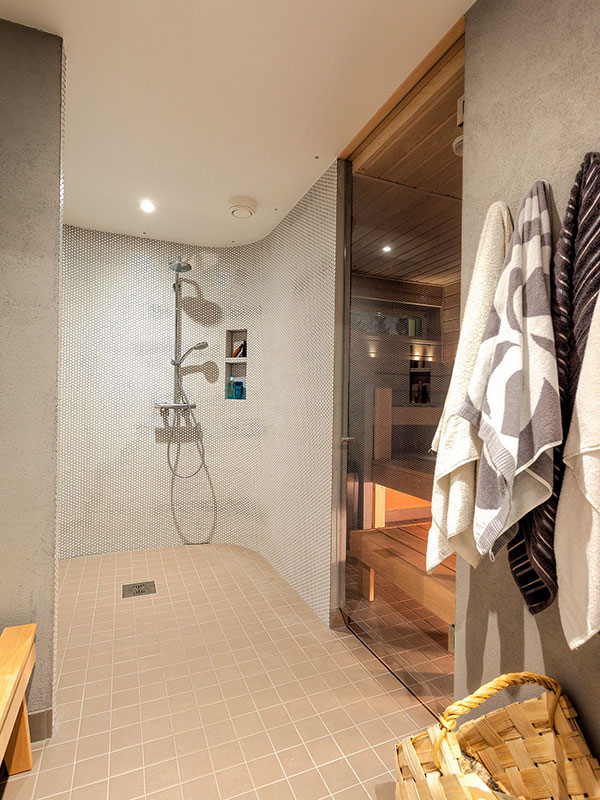
A sauna is one of the most demanding environments for lighting. High temperatures combined with moisture require extra care both when selecting and positioning luminaires.
The placement of electrical equipment in saunas and wet rooms is governed by strict safety regulations where safety is always the top priority.
Outdoor lighting must withstand changing weather conditions
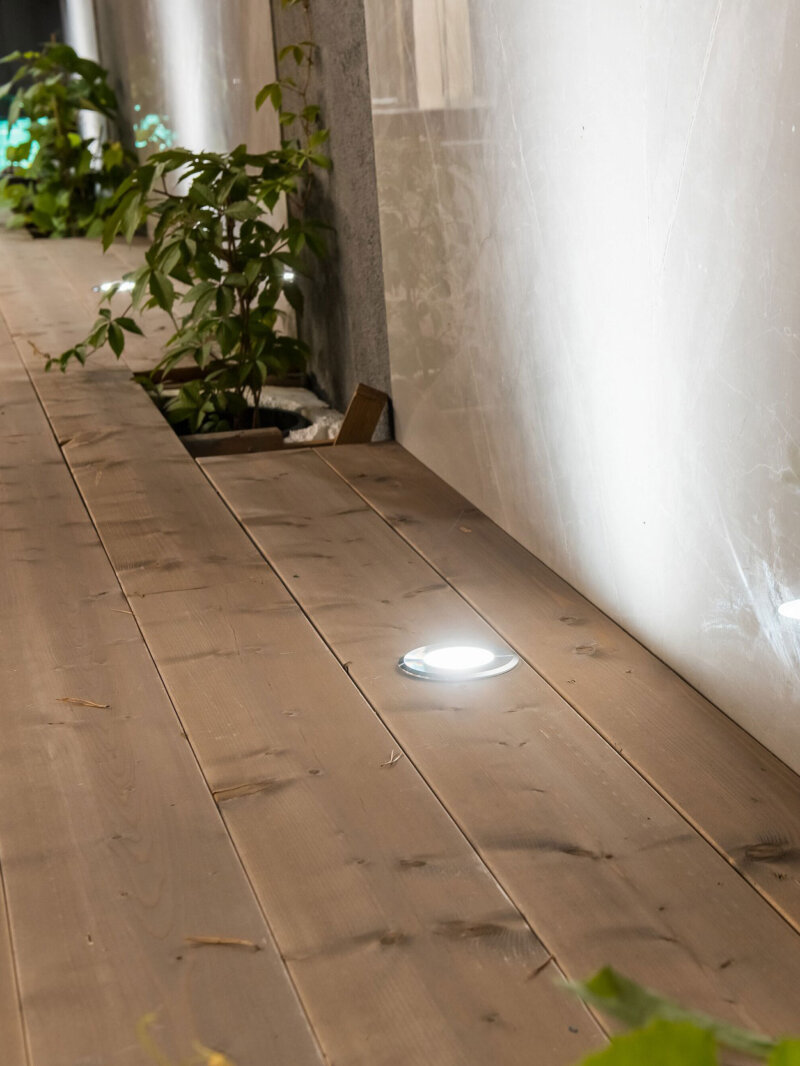
Outdoor luminaires are exposed to demanding weather conditions throughout the year. Rain, snow and dust generally require at least an IP44 rating – often even higher.
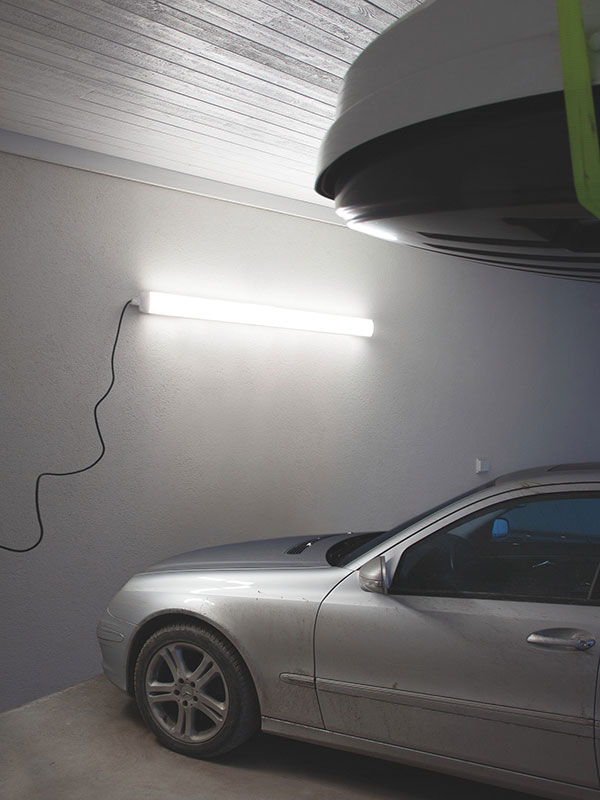
For garage and storage lighting, it is also worth considering practical features such as motion sensors and automatic activation. These improve visibility and make spaces safer and easier to use.
A well-chosen luminaire will withstand both time and use without problems.